
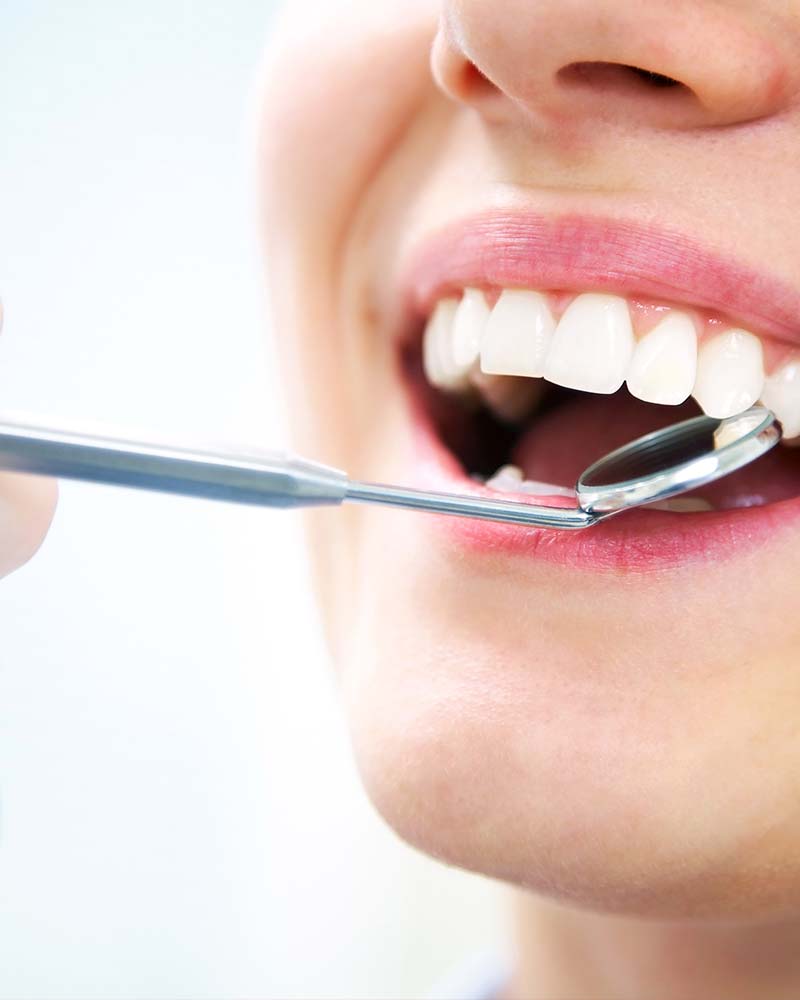
Regular dental check-ups are one of the most important parts of maintaining a healthy smile. At Hassocks Dental Surgery, routine examinations allow dentists to detect potential issues early, often before you notice any symptoms.
Whether you are attending as an NHS patient or for private dental care, a dental check-up is a straightforward and comfortable appointment designed to protect your long-term oral health.
Why Regular Dental Check-Ups Are Important
Dental problems such as tooth decay and gum disease often develop slowly and without obvious pain at first. A routine examination helps identify issues early so they can be treated before they become more serious.
Regular check-ups help dentists:
- Detect tooth decay at an early stage
- Monitor gum health and signs of gum disease
- Check existing fillings, crowns or dental work
- Screen for oral cancer and other conditions
- Provide advice on improving oral hygiene
Early detection can mean simpler, less invasive treatments and better long-term outcomes.
Step 1: Reviewing Your Dental and Medical History
Your dentist will begin by asking about any changes to your medical history, medications, or symptoms you may have noticed.
For example, they may ask if you have experienced:
- Tooth sensitivity
- Bleeding gums
- Jaw discomfort
- Changes in your bite
Understanding your overall health helps dentists provide the most appropriate care.
Step 2: Examining Your Teeth
Next, the dentist carefully examines each tooth using specialised dental instruments and lighting.
They will check for:
- Cavities or early tooth decay
- Cracks or damage to teeth
- Worn fillings or restorations
- Signs of grinding or clenching
This detailed inspection helps identify problems before they become painful or visible.
Step 3: Checking Your Gums
Healthy gums are essential for strong teeth. During your check-up, the dentist will examine the gums for signs of inflammation, recession, or infection.
Early signs of gum disease may include:
- Red or swollen gums
- Bleeding during brushing
- Gum pockets forming around teeth
Detecting gum disease early allows treatment to begin before it progresses further.
Step 4: Oral Cancer Screening
As part of a routine examination, dentists also check the mouth, tongue, throat, and surrounding tissues for signs of oral cancer.
This screening is quick and painless but plays an important role in identifying potential concerns early.
Step 5: Dental X-Rays (If Needed)
In some cases, the dentist may recommend dental X-rays. These images allow dentists to see areas that are not visible during a normal examination.
X-rays can help identify:
- Decay between teeth
- Problems below the gum line
- Infections around tooth roots
- Issues with developing teeth
X-rays are only taken when clinically necessary.
Step 6: Advice and Preventative Care
At the end of your appointment, your dentist will discuss their findings and provide personalised advice.
This may include recommendations about:
- Brushing and flossing techniques
- Dietary habits that affect oral health
- Professional cleaning with a dental hygienist
- Future treatment if required
The aim is always to help patients maintain healthy teeth for as long as possible.
How Long Does a Dental Check-Up Take?
A routine dental check-up usually takes 15 to 30 minutes, depending on your needs.
Regular visits help prevent problems from developing and ensure that any issues are treated early.
How Often Should You Have a Dental Check-Up?
Most patients benefit from seeing a dentist every six months, although some people may need more frequent visits depending on their oral health.
Your dentist will recommend the best schedule for you.
