
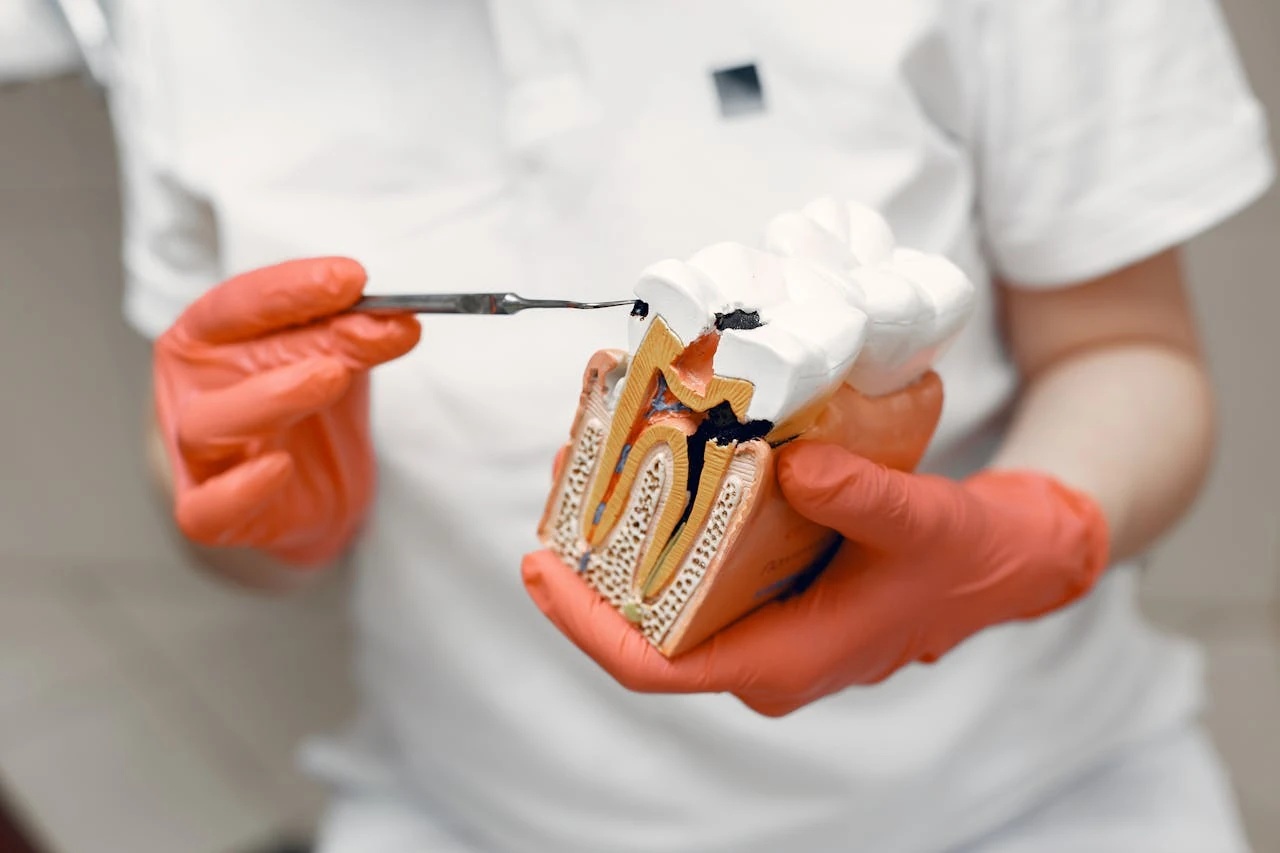
Many people wonder how frequently they should visit the dentist. While the common advice is every six months, the ideal schedule can vary depending on your individual oral health needs.
At Hassocks Dental Surgery, dentists recommend check-up intervals based on each patient’s dental health, lifestyle, and risk factors.
Why Regular Dental Visits Matter
Routine dental examinations allow dentists to monitor your oral health and detect potential problems before they become more serious.
Without regular check-ups, issues such as tooth decay or gum disease may develop unnoticed until they cause discomfort or require more complex treatment.
Regular visits help to:
- Prevent tooth decay
- Identify gum disease early
- Monitor dental restorations
- Detect oral health changes quickly
Preventative care is always more effective than waiting until problems arise.
The Standard Recommendation: Every Six Months
For many patients, visiting the dentist every six months provides a good balance between prevention and monitoring.
This schedule allows dentists to detect problems early and provide advice on maintaining good oral hygiene.
Six-monthly visits are particularly beneficial for:
- Families with children
- Adults prone to cavities
- Patients who have had dental treatment previously
However, this timeline is not the same for everyone.
Patients Who May Need More Frequent Visits
Some patients benefit from more regular dental appointments, particularly if they have an increased risk of oral health problems.
You may need more frequent check-ups if you:
- Have a history of gum disease
- Smoke or use tobacco products
- Have diabetes
- Experience frequent cavities
- Wear orthodontic appliances
In these cases, dentists may recommend appointments every three to four months.
Patients Who May Need Fewer Visits
If you have excellent oral health and a low risk of dental problems, your dentist may recommend a longer interval between visits.
Some patients can safely attend a check-up once a year if:
- They maintain excellent oral hygiene
- They have no history of gum disease
- They rarely develop cavities
Your dentist will always advise what is most suitable for your individual situation.
Signs You Should See a Dentist Sooner
Even if your next check-up is not due yet, you should contact your dentist if you notice:
- Tooth pain or sensitivity
- Bleeding gums
- Swelling in the mouth
- Loose teeth
- Persistent bad breath
Early assessment can prevent minor problems from becoming more serious.
The Role of Preventative Dentistry
Regular dental visits are part of preventative dentistry. Along with good oral hygiene at home, these appointments help protect teeth and gums throughout life.
Brushing twice daily, flossing regularly, and attending routine examinations are the foundation of long-term dental health.
